
Key Takeaways
- AI workflow automation goes beyond simple triggers - it understands context and makes intelligent decisions
- Start by automating your most repetitive workflows: reporting, data collection, and status updates
- The best workflow tools connect to your existing stack rather than requiring you to rebuild processes
- AI workflows continuously improve by learning from your business patterns and preferences
The Manual Process Problem
Every business runs on processes: reporting processes, approval processes, onboarding processes, communication processes. Most of these were designed for a pre-AI world and rely heavily on manual effort.
Think about your own daily workflow. How many tasks involve copying information from one system to another? How often do you send a follow-up email because there's no automated tracking? How many hours per week do you spend on tasks that follow the same pattern every time?
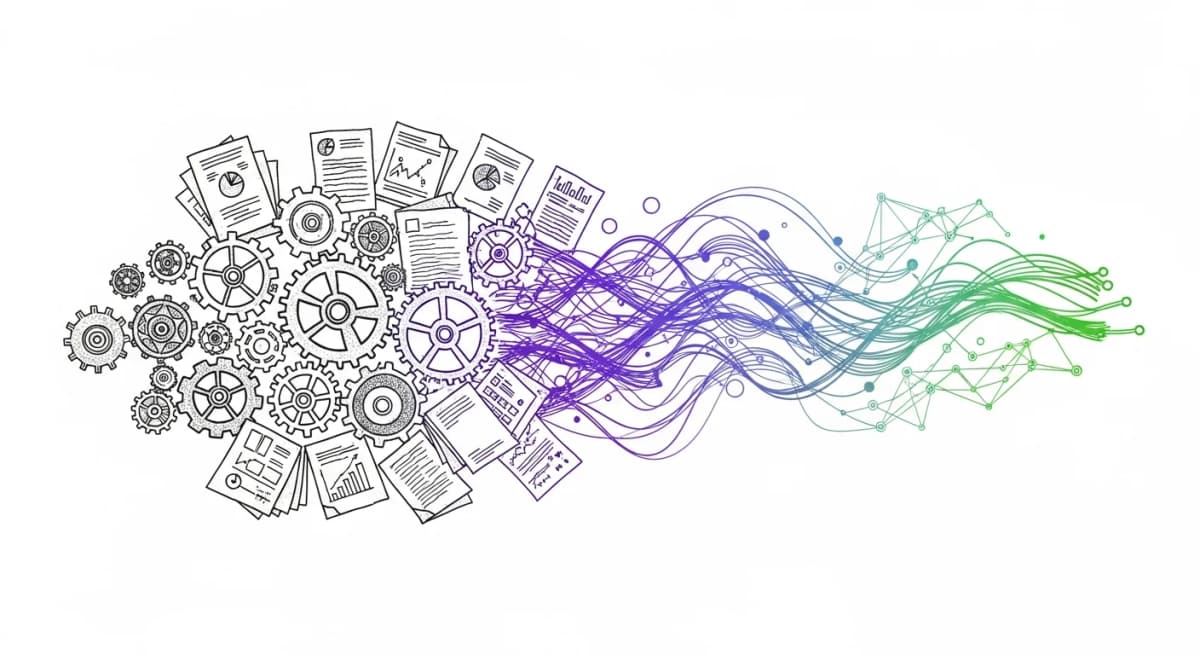
Workflow automation tools powered by AI can handle these repetitive processes, freeing your team to focus on work that actually requires human judgment.
What Modern Workflow Automation Looks Like
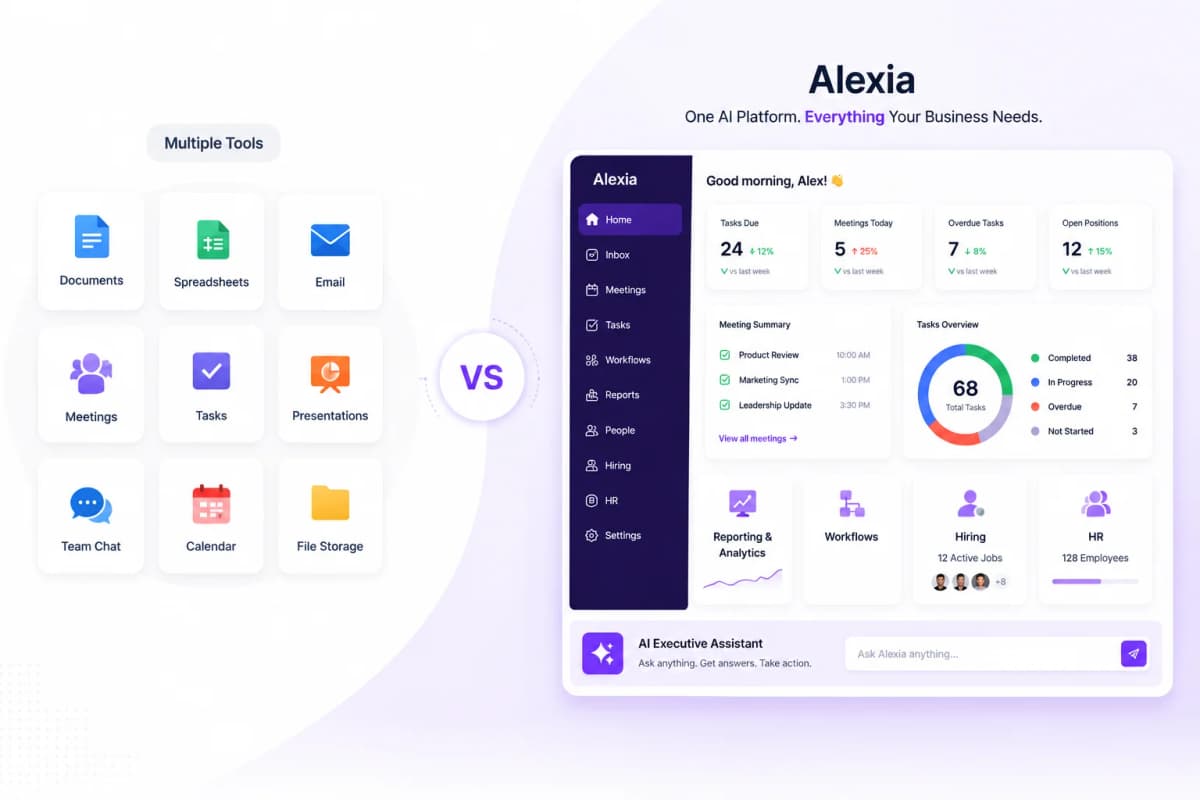
Traditional workflow automation (think Zapier or Microsoft Power Automate) is rule-based: if X happens, do Y. It's useful for simple triggers but falls apart when processes require judgment, context, or natural language understanding.
AI-powered workflow automation goes further:
Natural language task creation - "Assign the marketing team to update the Q2 campaign plan by Friday" creates tasks, sets deadlines, and tracks completion automatically.
Intelligent email processing - AI reads your inbox, categorises messages, summarises threads, and drafts responses - not based on rules, but on understanding.
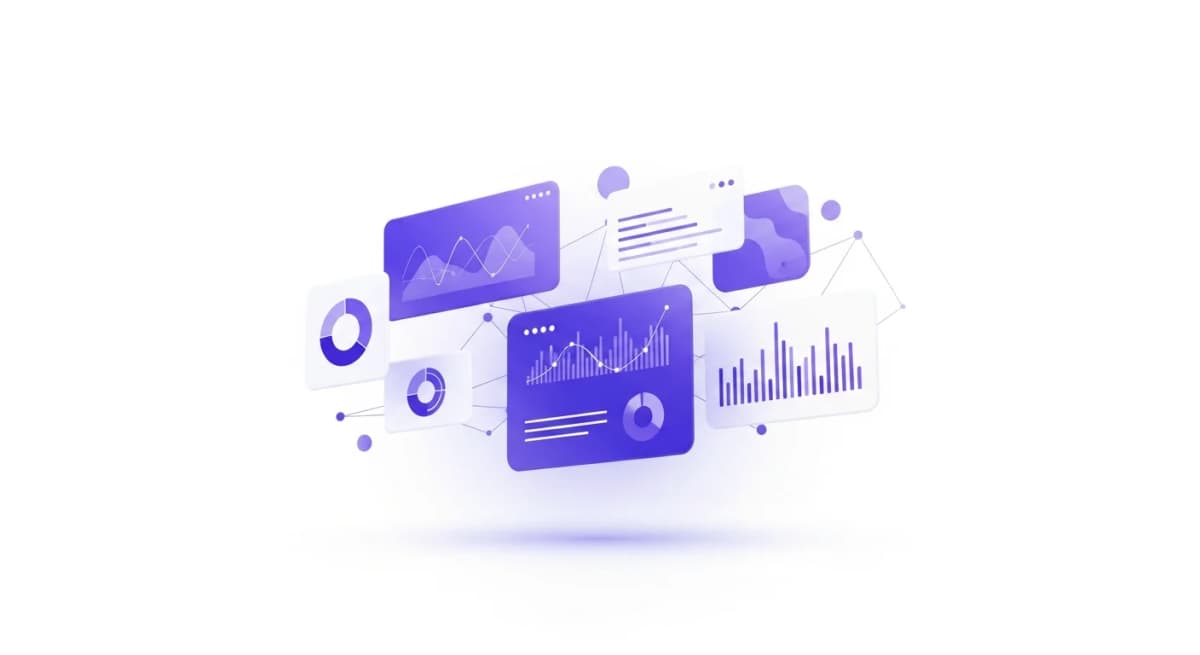
Proactive monitoring - AI watches your goals, KPIs, and deadlines, alerting you when something needs attention before it becomes a problem.
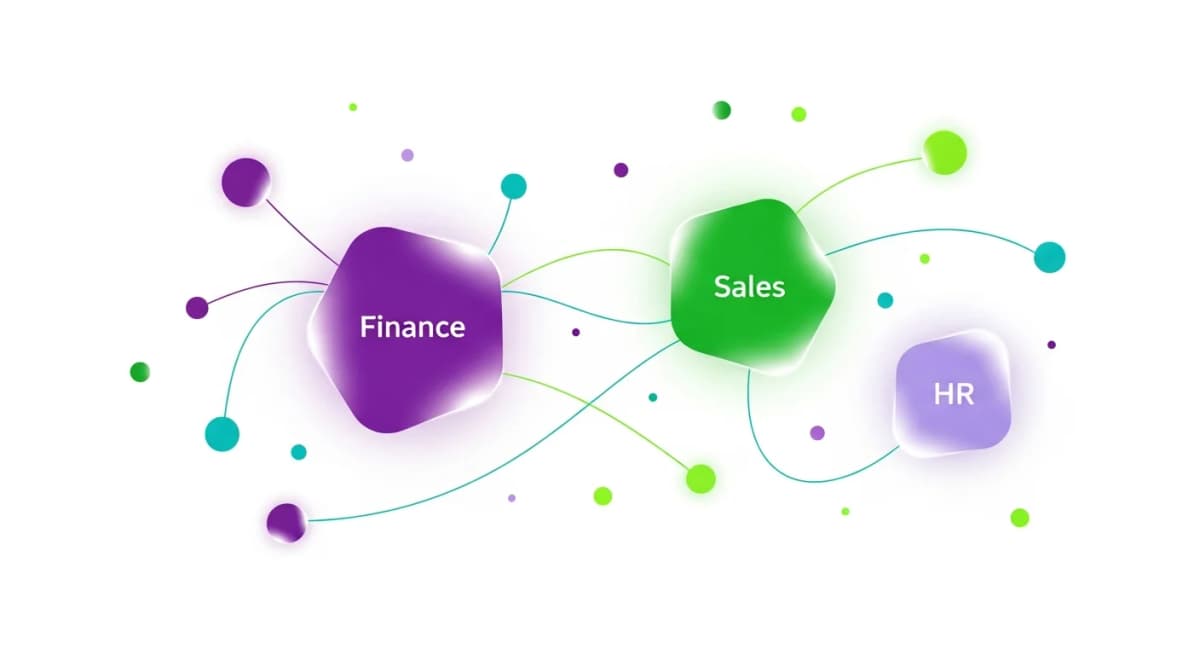
Cross-system intelligence - AI connects data across platforms to provide context that rule-based tools can't. "Is our pipeline healthy?" pulls from CRM, finance, and marketing data simultaneously.
Five Business Processes to Automate First
1. Weekly reporting - The single biggest time drain for most teams. AI generates reports from your connected data sources in seconds.
2. Email triage - AI summarises your inbox, flags urgent items, and drafts responses. Stop reading every email manually.
3. Goal and KPI monitoring - Set your targets once and let AI track progress, flag risks, and generate status updates.
4. Meeting follow-ups - AI extracts action items from meetings, creates tasks, assigns owners, and tracks completion.
5. Status collection - Instead of asking team members for updates, AI gathers status from your connected tools and generates summaries automatically.
Stop reading about AI reporting. Start using it.
See how Alexia.ai automates the exact workflows covered in this article.
The Business Impact of Process Automation
Businesses implementing AI workflow automation report significant improvements:
Time savings: 15-25 hours per team member per month recovered from manual processes Accuracy: AI-generated reports and summaries eliminate human transcription errors Speed: Decisions happen faster when information is available instantly Employee satisfaction: Teams prefer strategic work over data entry and report building Scalability: Automated processes handle growth without adding headcount
The compound effect is transformative. Teams that automate their core processes don't just work faster - they work differently, shifting from reactive operations to proactive strategy.
Starting Your Automation Journey
Don't try to automate everything at once. Start with the process that causes the most pain - usually weekly reporting or email management.
Connect the relevant tools to Alexia.ai, run the automated version alongside your manual process for one week, and compare the results. You'll see the difference in time, quality, and insight.
Then move to the next process, and the next. Within a month, your team's workflow will look completely different.

About the Author
Simon Jones
Co-Founder, Teamified
Simon Jones is the co-founder and CTO of Teamified, bringing decades of experience in technology, system architecture, and business transformation. He oversees the technical direction of Alexia.ai, ensuring the platform delivers enterprise-grade automation and intelligence.
Connect on LinkedIn