
Key Takeaways
- Operations teams benefit from AI by automating status updates, resource tracking, and KPI monitoring
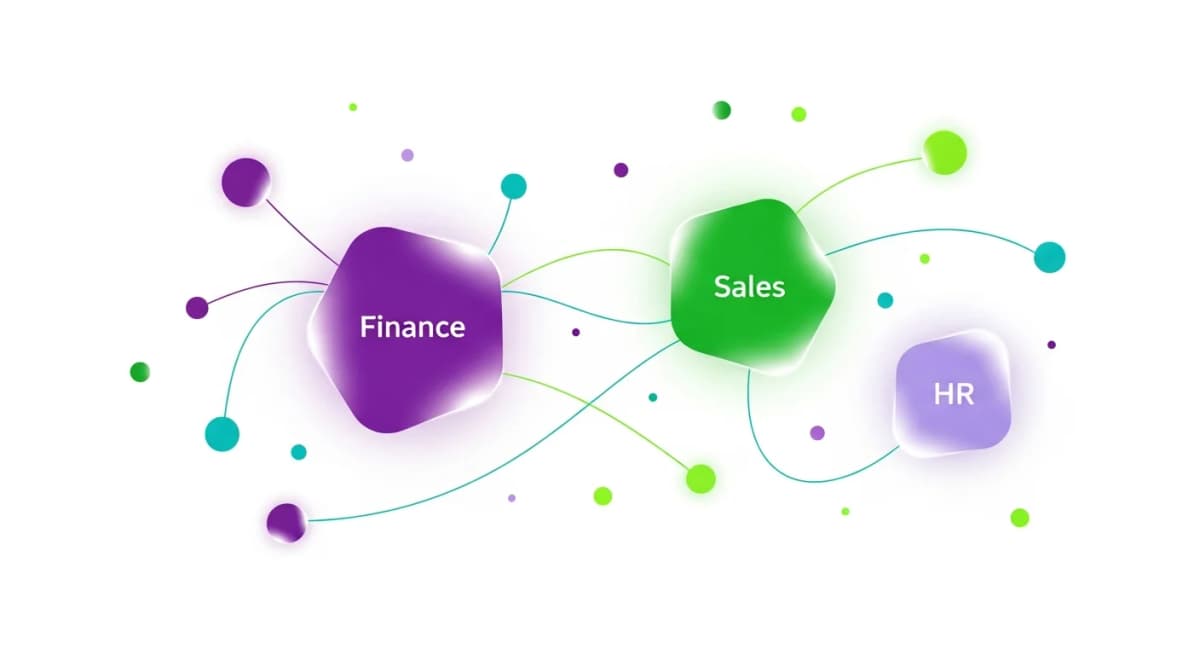
- AI reduces operational blind spots by connecting data from project management, finance, and HR tools
- Proactive AI alerts prevent small operational issues from becoming costly problems
- Automated operations reporting gives leadership real-time visibility without manual status meetings
The Operations Manager's Challenge
Operations managers are the glue that holds businesses together. They track KPIs, manage cross-functional projects, coordinate between departments, and ensure nothing falls through the cracks.
But the tools they use to do this often create more work than they solve. Status updates gathered manually. Reports compiled from multiple systems. Goals tracked in spreadsheets. Follow-ups sent via email. The irony of operations management is that the people responsible for efficiency often have the least efficient workflows.
Where AI Transforms Operations
AI for business operations addresses the core bottlenecks that operations managers face:
Status collection - Instead of chasing team members for updates, AI automatically tracks goal progress, task completion, and project milestones. Ask "What's the status of Q1 objectives?" and get a comprehensive update instantly.
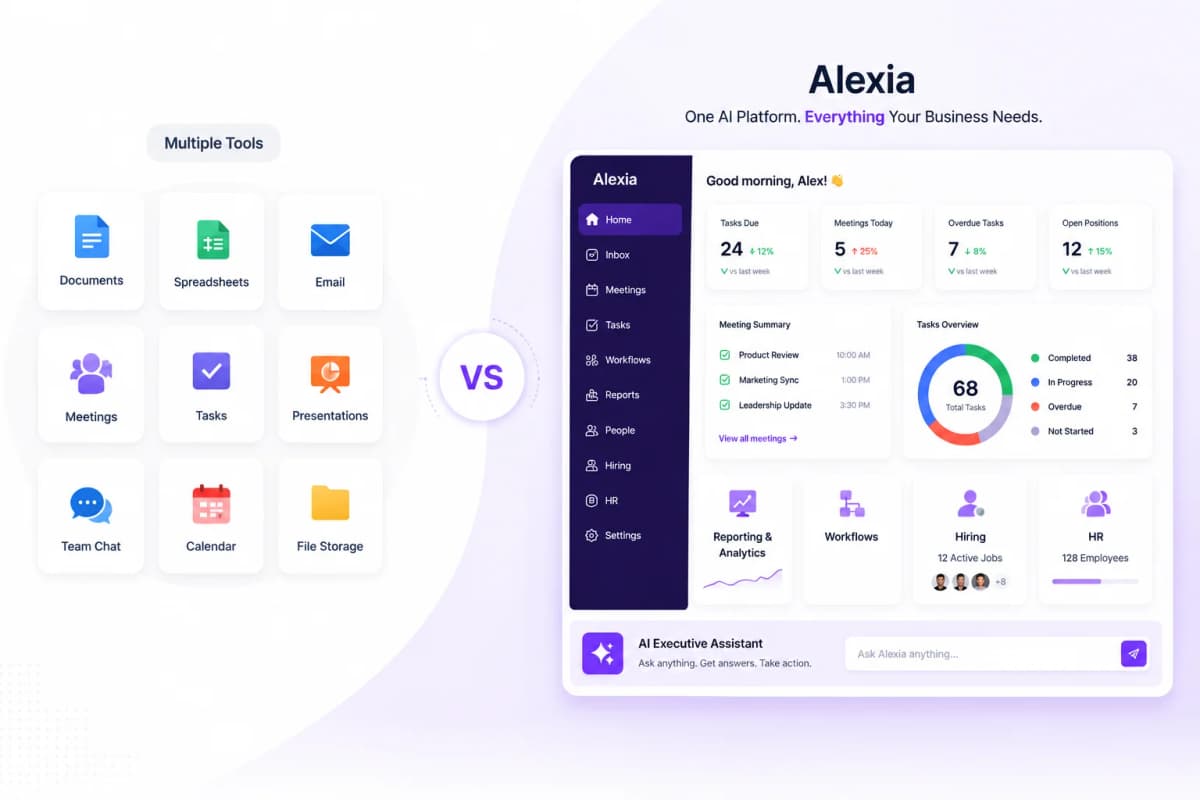
Cross-functional reporting - Operations reports typically span multiple departments. AI pulls data from sales, marketing, finance, and HR tools to create unified business performance reports.
Task delegation and follow-up - AI extracts action items from meetings and conversations, creates tasks, assigns owners, and tracks completion. No more manual task creation or follow-up emails.
Anomaly detection - AI monitors KPIs and alerts you when something deviates from expected trends, so you can intervene early instead of discovering problems in the weekly report.
Workflow Automation Tools for Operations
Effective workflow automation for operations managers includes:
Goal tracking automation - Set business objectives once and let AI monitor progress daily. Get alerts when goals are at risk and auto-generated recommendations for getting back on track.
Meeting-to-action pipelines - After meetings, AI summarises discussions, extracts action items, creates tasks, and schedules follow-ups. The entire post-meeting workflow happens automatically.
Reporting on demand - Instead of spending Friday afternoon building next week's operations report, ask Alexia.ai to generate it in real time. It pulls live data from every connected platform.
Email intelligence - AI triages your inbox, surfaces critical items, summarises long threads, and drafts responses. Operations managers often receive 100+ emails daily - AI cuts through the noise.
Stop reading about AI reporting. Start using it.
See how Alexia.ai automates the exact workflows covered in this article.
The ROI of AI in Operations
Operations managers who adopt AI-powered tools typically see:
15-20 hours per month saved on reporting and data collection Faster problem identification - Issues flagged in real time instead of discovered in weekly reviews Better cross-department coordination - One platform that spans all departments and data sources Higher goal completion rates - Proactive tracking and alerts keep objectives on track Reduced email overload - AI email intelligence cuts inbox processing time by 50%+
The compound effect is significant: operations managers spend less time on operational tasks and more time on strategic decision-making.
Getting Started with AI for Operations
Start by connecting the tools that feed your operations reports: your CRM (for pipeline data), your analytics platform (for performance metrics), your accounting software (for financial data), and your communication tools (for team updates).
Then set up your key business goals in Alexia.ai and let AI take over the monitoring. Within a week, you'll have a clear picture of how much time AI can save your operations workflow.

About the Author
Simon Jones
Co-Founder, Teamified
Simon Jones is the co-founder and CTO of Teamified, bringing decades of experience in technology, system architecture, and business transformation. He oversees the technical direction of Alexia.ai, ensuring the platform delivers enterprise-grade automation and intelligence.
Connect on LinkedInStreamline your operations with AI
Connect your business tools and start automating operations workflows.